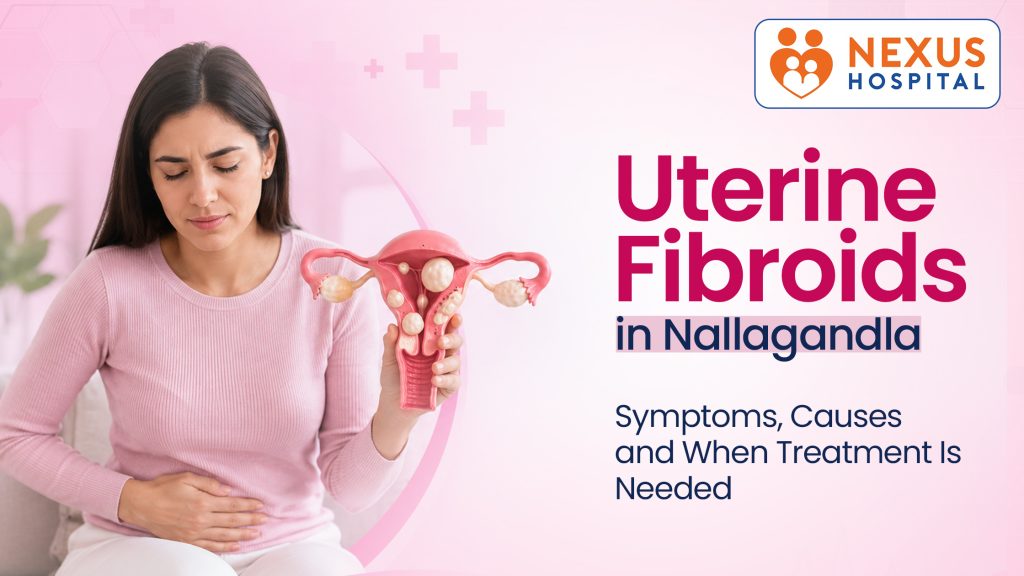
Uterine fibroids are one of the most common gynecological conditions affecting women during their reproductive years. While many fibroids are small and cause no symptoms, others can lead to heavy menstrual bleeding, pelvic pain, fertility concerns, and a reduced quality of life.
If you’re experiencing persistent menstrual problems or pelvic discomfort, seeking timely medical care can help prevent complications. At Dr. Nikhila Muthyala’s Clinic in Nallagandla, women receive personalized diagnosis and advanced treatment options tailored to their symptoms, age, and future pregnancy plans.
What Are Uterine Fibroids?
Uterine fibroids, also called leiomyomas or myomas, are non-cancerous growths that develop in or around the uterus. They are made up of muscle and connective tissue and can vary greatly in size from tiny seed-like nodules to large masses that enlarge the uterus.
Fibroids are not cancer and only very rarely become cancerous.
Some women have a single fibroid, while others may develop multiple fibroids.
Types of Uterine Fibroids
Depending on where they grow, fibroids are classified into different types:
1. Intramural Fibroids
- Develop within the muscular wall of the uterus
- Most common type
- Can cause heavy bleeding and pelvic pressure
2. Submucosal Fibroids
- Grow beneath the inner lining of the uterus
- Often associated with heavy periods and fertility problems
3. Subserosal Fibroids
- Grow on the outer surface of the uterus
- Can press against nearby organs like the bladder or bowel
4. Pedunculated Fibroids
- Attached to the uterus by a thin stalk
- May cause pain if the stalk twists
What Causes Uterine Fibroids?
The exact cause remains unknown, but several factors may increase the risk.
Hormonal Changes
Estrogen and progesterone stimulate fibroid growth.
Genetics
A family history of fibroids increases your chances.
Age
Fibroids commonly occur between 30 and 50 years of age.
Obesity
Excess body weight increases estrogen levels, which may contribute to fibroid growth.
Early Menstruation
Starting periods at an early age may increase risk.
Lifestyle Factors
Poor diet, lack of exercise, and vitamin D deficiency may also play a role.
When Should You See a Gynecologist?
Don’t ignore persistent symptoms. Consult a specialist if you experience:
- Extremely heavy periods
- Passing large blood clots regularly
- Severe pelvic pain
- Irregular menstrual bleeding
- Difficulty getting pregnant
- Frequent urination due to pelvic pressure
- Rapid increase in abdominal size
- Symptoms of anemia such as fatigue or dizziness
Early diagnosis helps avoid unnecessary complications.
How Are Uterine Fibroids Diagnosed?
A gynecologist may recommend:
Pelvic Examination
To assess the size and shape of the uterus.
Ultrasound Scan
The most common imaging test to identify fibroids.
MRI Scan
Provides detailed images when surgery is being considered.
Hysteroscopy
A small camera is inserted through the cervix to examine the uterine cavity.
Blood Tests
To check for anemia caused by heavy menstrual bleeding.
Treatment Options for Uterine Fibroids
Medications
Your doctor may prescribe medicines to:
- Control heavy bleeding
- Reduce pain
- Shrink fibroids temporarily
- Manage hormonal symptoms
These medications often relieve symptoms but may not permanently eliminate fibroids.
Minimally Invasive Procedures
Certain procedures can shrink or remove fibroids while preserving the uterus, making them suitable for selected patients.
Myomectomy
Myomectomy surgically removes fibroids while preserving the uterus.
It is often recommended for women who wish to have children in the future.
Hysterectomy
In severe cases where symptoms are significant and family planning is complete, removal of the uterus may be advised for permanent relief.
Your gynecologist will discuss the safest and most appropriate option based on your individual condition.
Can Fibroids Affect Pregnancy?
Yes, depending on their size and location, fibroids may:
- Make conception more difficult
- Increase miscarriage risk
- Cause pain during pregnancy
- Lead to abnormal fetal position
- Increase the chance of cesarean delivery
However, many women with fibroids have completely healthy pregnancies with proper medical care.
Can Uterine Fibroids Be Prevented?
Although fibroids cannot always be prevented, healthy lifestyle habits may reduce the risk.
These include:
- Maintaining a healthy weight
- Exercising regularly
- Eating plenty of fruits and vegetables
- Limiting processed foods
- Managing blood pressure
- Scheduling regular gynecological check-ups
Why Choose Dr. Nikhila Muthyala for Uterine Fibroid Treatment in Nallagandla?
Dr. Nikhila Muthyala provides compassionate and evidence-based care for women experiencing fibroid-related symptoms. She focuses on preserving reproductive health whenever possible while offering personalized treatment plans based on each patient’s age, symptoms, and future family goals.
Patients benefit from:
- Comprehensive gynecological evaluation
- Accurate diagnosis with advanced imaging
- Personalized treatment recommendations
- Medical and minimally invasive treatment options
- Fertility-preserving care when appropriate
- Ongoing follow-up and women’s wellness support
Frequently Asked Questions (FAQs)
1. Are uterine fibroids cancerous?
No. Uterine fibroids are benign (non-cancerous) growths, and the risk of them becoming cancerous is extremely low.
2. Can fibroids disappear naturally?
Small fibroids may shrink after menopause due to lower hormone levels, but they usually do not disappear completely.
3. Do all fibroids require surgery?
No. Many fibroids can be managed with medications or regular monitoring if they are not causing symptoms.
4. Can fibroids affect fertility?
Some fibroids, especially those inside the uterine cavity, may interfere with conception or pregnancy, but many women with fibroids conceive naturally.
5. What is the best test to diagnose uterine fibroids?
A pelvic ultrasound is usually the first and most effective test for diagnosing uterine fibroids.
Concerned About Heavy Periods or Pelvic Pain? Consult Dr. Nikhila Muthyala for Expert Uterine Fibroid Treatment in Nallagandla
Uterine fibroids are common, but they shouldn’t be ignored when they begin affecting your daily life. Heavy periods, pelvic pain, frequent urination, or fertility concerns may all be signs that it’s time to seek expert care. With early diagnosis and personalized treatment, most women can effectively manage fibroids and enjoy a healthier, more comfortable life.
If you’re looking for uterine fibroid treatment in Nallagandla, consult Dr. Nikhila Muthyala for expert evaluation and a treatment plan tailored to your needs.